
Manapság a nemzetközi közösségi oldalakon és videómegosztókon a Turánnal kapcsolatos csoportok egyre népszerűbbek azon nemzetek tagjai között, melyek turáni eredetűnek vallják magukat.
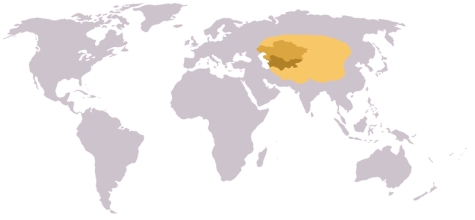
De mit is jelent a turán eszmeisége pontosan? Abból a legendából eredeztethetjük, amely kimondja, valamikor a sumér idők táján az ázsiai népek egy része egy közös régióból áradt szét, amelyet Ősturánnak neveztek. Erre sokan legyinthetnének, hogy csak egy monda, azonban egyre több genetikai és kulturális tény bizonyítja e népek konkrét kapcsolatát.
Ennek megfelelően a következő kérdés az identitástudat, a közös bölcső-szülőhely Közép-Ázsiában pedig nagyon fontos összekötő kapocs az esetünkben, hiszen mi, turániak nem vagyunk szlávok vagy árják, viking-leszármazottak, sem pedig kínaiak. A turáni eszme meghatározásánál talán ez a legfontosabb kiindulópont, mai életünkben pedig az ősi legenda tudatos újraélesztése hasznos politikai és gazdasági kapcsolatokat hozhat e népek között.
Magyarországon éles viták zajlanak a finnekkel való közvetlen vagy közvetett rokonságunkról, azonban ha ezt a kérdést a turanizmus nézőpontjából vizsgáljuk, ez a harc teljességgel szükségtelen. Mint azt számos kutató is állítja (pl. Bibó István), a magyarság egyaránt rendelkezett ugor és türk kapcsolatokkal, adott esetben keveredéssel.
Juhóval a fentebb említett csoportokból ismerjük egymást, de idén tervezi, hogy ellátogat hozzánk, a Bugacon megrendezett Kurultajra. Ez az élő turanizmus egy erős jele, valamint annak, hogy nem csak a török népek körében népszerű ez, mint azt eddig gondolhattuk.
- Juho, kérlek, mesélj valamit magadról, ha jól láttam, a Turku-i Egyetemen tanultál.
- 30 éves finn fiatalember vagyok, és általános történelmet hallgattam a Turku-i Egyetemen. Az utóbbi fél évben Espoo-ban éltem (ez Nagy-Helsinki része). Fő érdeklődési köröm a közép-ázsiai nomádokkal kapcsolatos, a szakirányommá Európa és a Mongol Birodalom kapcsolata vált, a Mongol Birodalom idejében. Gyermekkorom óta érdekel e népnek a kultúrája, úgyhogy természetesnek tűnt, hogy ebbe az irányba tanuljak tovább.
- Honnan hallottál a turáni eszméről? El tudnád nekünk magyarázni, mit jelent az általad emlegetett ’keleti finn’ és ’nyugati finn’ kifejezés?
- Sosem éreztem magam európainak vagy nyugatinak, mindig is a keleti népekkel éreztem kapcsolatot és szolidaritást, és 18 évesen úgy véltem, mi, finnek közéjük tartozunk. Noha akkoriban még nem ismertem a turáni eszmét, később a tanulmányimban és az interneten több elmélettel találkoztam, melyek között megtaláltam és rájöttem: turanista vagyok, csak addig nem tudtam róla.
A nyugati finnek jelentős svéd hatást kaptak az 1200-as évektől egészen 1809-ig tartó elnyomás alatt. Lutheránusokként a nyugati finnek a nyugati kultúra felé keresnek kapcsolatokat, és inkább európainak vallják magukat. A karéliaiak, akiket keleti finneknek is nevezhetünk, főleg ortodox vallásúak, és több száz évig orosz hatás alatt éltek. Manapság ez már nem jelent nagy eltérést, de a gyökerei mélyrehatók. Sok karéliai ma is orosz fennhatóság alatt él, a mai Oroszország területén.
- Mi a véleményed az Európai Unióról?
- Úgy vélem, az EU egy új formája a nyugati hegemóniának és kulturális imperializmusnak. Nem szolgálja a finn emberek érdekeit.
- Csatlakoznotok ’kellett’ Skandináviához és az EU-hoz, habár ti nem viking-utódállam vagytok, mint Svédország és Norvégia. Okozott-e ez problémákat?
- Nos, a viking szó eredetileg északról jött tengeri utazókat jelentett, ebben pedig a finnek is részt vettek. Jó példa erre, hogy a bizánci császárok testőrsége elit finn harcosokból állt. Mivel a lutheránusok dominálnak nálunk, a fenti kérdésben adott válasz vonatkozik még ide.
- Milyen más turáni eredetű kisebbségek élnek még arrafelé?
- Él egy kisebb tatár etnikum Finnországban, de ők sohasem okoztak gondot az országnak, nagyon jó emberek. Lappföldön pedig számik (lappok) élnek, akik az őslakosoknak tekinthetők. Norvégiában és Svédországban is sok finn és számi él.
- Több turáni eredetű népnek vannak az ősi Tengri-sámánizmusra visszavezethető állatszimbólumai, melyet a mai napig tisztelnek. A magyaroknak ezt a turulsólyom jelenti, a török népeknek pedig a bozkurt, azaz a szürke farkas. Van-e a finneknek is hasonló állatuk?
- Az ősi finn kultúrában a medve volt a legjobban tisztelt állat, a medvealakot istenítették. Sok más állatnak is volt jelentése. Nemzeti eposzunkban, a Kalevalában rengeteg történet szól szarvasokról, madarakról és tengeri szörnyekről…
- A magyar-finn és a finn-turáni (türk) kapcsolatok bizonyára nem kérdések számodra. (Ez persze nem a hivatalos uráli-elmélet, de vannak benne azonosságok is.) Mit gondolsz, él még a keletről jött finnekkel és magyarokkal szemben az a nyugati retorika, melyben keleti barbároknak alacsonyítanak le bennünket? (Innen, Magyarországról sajnos ezt csak megerősíteni tudom.)
- Igen, a ’keleti barbárok’ sértés ma is érvényes a finnekkel szemben. Példa erre Gobineau-fajelmélete, amely a finneket a világ legprimitívebb népének nevezi, és még ma is akadnak ennek követői. A modern történelmet, amit tanulunk, szintén a nyugatiak írták.
- Ennek tükrében mit jelent az elsődleges, másodlagos és harmadlagos EU-tagállamok fogalma?
- Úgy vélem, az EU-ban csak néhány ország rendelkezik valódi hatalommal. A vezetők tehát: Anglia, Németország, Franciaország és talán még Olaszország. A második kör jó példái a Benelux-államok, Spanyolország, Portugália és Görögország. A harmadik körbe szorul minden olyan ország, amely nem rendelkezik az ún. jóléti állam-modellel.
- A karéliai tartomány hasonló fájó pont lehet a finneknek, mint a magyaroknak Erdély kérdése. Ugyan a Szovjetunió szétesett, Finnország mégsem tett lépéseket az újraegyesülésre. Igaz ebben a kérdésben, hogy a pénz fontosabb volt a nemzetnél?
- Igen, sajnos az országunk nem foglalkozik a történelmi igazságtétellel. A karéliai kérdés el van hallgatva a közbeszédben a politikusaink által és csak néhány csoport tűzte zászlajára. Jó szándékuk ellenére ez most sehová sem vezetne, és egyelőre lehetetlennek tűnik, hogy Karélia egy kisebb része is visszakerüljön Finnországhoz.
- A múltban Finnország véres és hősies küzdelmet folytatott függetlensége védelmében az orosz hódítással szemben. Manapság milyen a két ország kapcsolata?
- Sok orosz turista érkezik hazánkba, és a finnek egy része nem kedveli őket, érthető okok miatt, viszont a két ország kapcsolata alapvetően jónak mondható. Személy szerint számomra a nyugat sokkal veszélyesebbnek tűnik, mert az oroszok egy országot vettek volna el, de a nyugatiak a nemzetünk lelkét akarják uralni. (Itt, a mi esetünkben a svéd hatásra célzok elsősorban.)
- Utolsó kérdésem: elmondásod szerint hallottál a Kuruc.info oldalról, és jó véleménnyel vagy róla, egyetlen egy dolgot leszámítva, amit Finnországgal kapcsolatban írnak. Mi lenne az?
- Valóban, hallottam a Kuruc.infóról és főként jó dolgokat, de mivel sajnos nem beszélek magyarul, így csak másodkézből szoktam értesülni más forrásokból. A Finn Fórumban olvastam például, hogy támogatják az Igaz Finnek pártját és vezetőjüket (aki a Parlamentnek is tagja), Jussi Halla-aho-t. (A kérdés azért ennél árnyaltabb, lásd pl. ezt a cikkünket - a szerk.) Azt kell hogy mondjam, hogy ők nem valódi nemzeti párt, mivel a nyugati fennhatóságot hirdetik, és Finnországot teljesen a Nyugat részévé kívánják tenni. Ők Finnország első számú hamis ellenzéke.
- Nos, Juho, hálásan köszönöm a válaszaid, minden jót kívánok és várunk Magyarországra az augusztusi Kurultájra!
- 1 Kurutz -
Kapcsolódó: Olvasónk ellenvéleménye a finn turanizmusról
Interwiev with a finnish turanist, Juho Nieminen
Nowadays, Turan-groups on the Facebook are more and more popular between those nations, whom holding ourselves turanian origin.
But what means ’Turan-idea’ correctly? We could definiate from that legend, what said: about in the sumerian times, most of the asian nations spreading out from one common region, the Ancient Turan territory. However, this is only a legend, but genetic, cultural and language resereaches are proved this thesis. The next step is the identity, and the most important connection between turk and ugric groups: our source and our bornplace was in central asian regions, we are not slavs, not aryans, not post-vikings and not chinese. Turanic: this is an old-new and revised definition for all of us. In Hungary, nowadays a hard argue living about the direct finnish relativity, but if we could see this thesis from the turanian idea, this argue is absolutely unneedable, becouse hungarians also had got connections, mixing with the ancient ugric and türk era in their moves.
Juho, we are know each other from these virtual internet groups, but also at this year, you would like to come to Hungary, to see Kurultaj festival. This is a very strong sign, to the turan ideology is living, and not just here, and not just in turkish states.
- Please tell something about yourself. I saw you are studied on the University of Turku.
- I am 30 years old, ethnic Finnish and I study general history in University of Turku. Though in last 6 months I have lived in Espoo (part of Greater-Helsinki). My interests in history are Ventral-Asian nomadic peoples, and I am specialized to history and contacts between Western-Europeans and Mongols, during Mongol Empire-era. I have been interested for example about Mongols since my childhood, so it is natural that I started to study that later.
- You heard about turanism from where? What means ’eastern finnish’ and ’western finnish’ identity about you were trying to explain for me?
- I have always felt myself to non-European and non-Western and felt connection and solidarity towards Eastern people and when I was under 18, I thought that Finns are part of them. I just did not know term Turan in that time. Later when I read many things from internet and also many theories, I found that term and realized that I have been Turanist, even without knowing it.
Western-Finns were influenced alot of swedes during their occupation from 1200s to 1809. Lutheranism has put its mark to Western-Finns, and also many Western-Finns feels connection to Europe. Karelians, who are so-called Eastern-Finns, are mainly Orthodoxes, and were influenced by Russian hegemony many hundred years. Nowadays differences are very small, but still exist in deep. Many Karelians still lives in areas, what are now part of Russian Federation.
- What do you thinking about the European Union?
- I think that EU is somekind of new form of western hegemony and their cultural imperialism. It does not serve interests for Finnish people.
- You ’must’ join Scandinavia and EU, but you are not a post-viking state, like Norwegia or Sweden, so is this causes cultural problems?
- Actually term "Viking" meant originally just people from North who travelled in many seas, and also Finnic people did that. For example Byzantian Emperors had elite guard of Finnish soldiers. Unfortunately Lutheran culture is dominant here, like I explained in question 2.
- What other turanian minorities living there? Norwegia has got too an ethnical group like this?
- We have small Tatar minority in Finland and they never had any problems in Finland and they never causes problems either. Very good people. :) And in Lapland we have Saamis, who are considered to native people. They are Finnics also. Norway and Sweden both have alot of Finns and Saamis in their areas.
- Most of the turanic nations has got animal symbols from the ancient Tengri-shamanism. Hungarians has got the ’Turul-falcon’, turks has got the Greywolf. Have you got any ancient animal symbol like this?
- In old Finnish culture the most respected animal was bear, and it was even worshipped. Many animals had some meanings. In Kalevala (our national epic) there is described many stories which include animals, like sea-monster, bird, moose...
- The hungarian-finnish and finnish-turk common origin from Turan is probably not question for you. (This is not the official Ural-theory but a little bit similar). Do you think, the hungarians and finnish are not sincereled well in the Western era, and the ’barbars from the east’ abuse is still living? (Against hungarians, this is living absolutely in Europe, I could say that this is egsist).
- Yes, "Barbars from the east"-abuse is exist someway also against Finns and for example Gobineaus race-theories are still admired by some people. Gobineau considered Finns to be "lowliest people on earth". Modern history what we study is still written by westerners.
- Therefore, what means primary and secondary and tertiary nations in the EU?
- I think that in EU only some countries uses real power. Primary nations are UK, Germany and France and maybe Italy. Second nations are for example Benelux-countries, Spain, Portugal and Greece. And rest are third class countries, even if some of them are considered rich welfare-countries.
- Karelia means almost like Transylvania for hungarians. Altough after the apart of the Sovietunion, Finland was not making steps to reunion with that land and the karelian brothers. Is that true in this case, the money was more important, than the nation?
- Yes, our state does not care of historical justice. Karelia-case is silenced by our politicians and we have just few small groups who talk about that issue, but even if they means good, it seems to leads nowhere. Nowadays getting even small part of Karelia back seems impossible.
- Finland must fought bloodly and heroic for the independency against russians in the history. What like the connections with them nowadays?
- Many Russian tourists visits here and some Finns dont like them, and it is understandable, but generally relationships between Russia and Finns are quite good. Personally I think that west is more dangerous, because Russia can take country, but westerners can take whole soul of nation. I have talked about swedish influence in here.
- Last question: you are know the Kuruc.info site, and you are like that, except one thing about Finland’s politics, what is the problem correctly?
- Yes, I know Kuruc.info and I have heard mostly positive of it but unfortunately I don’t speak Magyar language and therefore I have only second-hand knowledge of their writings and news. I read from Finnish forum that Kuruc.info talked positive about "True Finns"-party and Member of Parliament Jussi Halla-aho. I need to tell you that this party is not real nationalistic party and it supports western supremacy and wants Finland to be part of west. They are fake-opposition number 1 in Finland.
- Very well, thank you for the interview, Juho, and wish succes for you in the life, and waiting you to Bugac in august!
- 1 Kurutz -